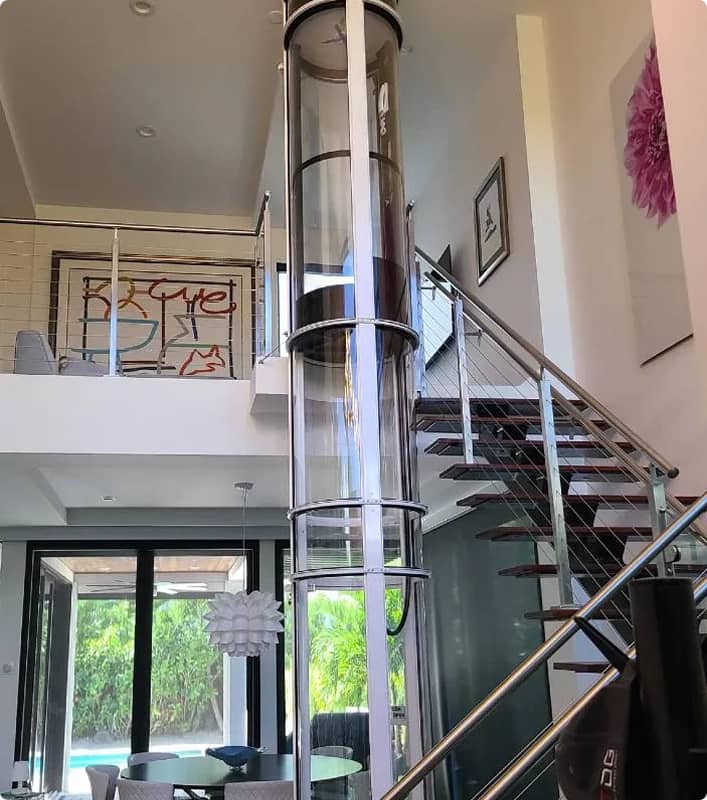
Elevators are becoming an important part of modern buildings in Ghana. They are used in residential apartments, private homes, hotels, hospitals, office buildings, shopping centres, schools, and commercial properties across Accra, Kumasi, Tema, Takoradi, and other growing cities.
However, installing an elevator is only the beginning. Like other mechanical and electrical systems, an elevator needs regular inspection, servicing, and technical attention to remain safe and reliable.
This is where an elevator maintenance contract becomes important.
But what exactly is an elevator maintenance contract? What does it cover? Who needs one? And why should building owners in Ghana consider having one?
This guide explains the meaning of an elevator maintenance contract in simple terms.
What Is an Elevator Maintenance Contract?
An elevator maintenance contract is a formal agreement between a building owner, property manager, facility manager, or estate manager and an elevator maintenance company.
Under the agreement, the elevator service provider carries out planned maintenance, inspections, technical checks, repairs, and support for a specific period.
The contract is designed to help keep the elevator:
- Safe for passengers
- Reliable during daily use
- Properly inspected and serviced
- Operating smoothly
- Less likely to experience avoidable faults
- Supported by qualified technicians
- Maintained according to the needs of the equipment
An elevator maintenance contract may also be called an Elevator Annual Maintenance Contract, Elevator AMC, or lift maintenance agreement.
In simple terms:
An elevator maintenance contract means paying a professional elevator company to regularly care for your elevator instead of waiting until it breaks down before requesting help.
Why Is an Elevator Maintenance Contract Important in Ghana?
Elevators are often used several times a day. In busy buildings, they may carry hundreds of passengers daily.
Without regular maintenance, small problems can develop into serious faults. A door may begin to close slowly, the elevator may stop unevenly at a floor, or unusual sounds may indicate wear in a mechanical component.
If these signs are ignored, the elevator may eventually stop working.
For building owners and facility managers in Ghana, regular elevator maintenance can help reduce disruption, support passenger safety, and make repair costs easier to manage.
What Does an Elevator Maintenance Contract Include?
The services included in an elevator maintenance contract depend on the service provider and the terms of the agreement.
However, a professional contract may include the following services.
1. Scheduled Preventive Maintenance
Preventive maintenance involves planned visits by qualified elevator technicians.
During these visits, technicians inspect and service important parts of the elevator system. They may clean components, lubricate moving parts, make adjustments, and test the elevator’s performance.
The maintenance schedule may depend on:
- The type of elevator
- The age of the equipment
- Passenger traffic
- Building location
- Frequency of use
- Manufacturer recommendations
- Condition of the elevator
- Previous maintenance history
For example, an elevator in a busy hotel in Accra may require a different maintenance plan from a low-traffic residential elevator.
2. Inspection of Electrical and Mechanical Components
An elevator contains many electrical, mechanical, and safety-related components.
During maintenance, technicians may inspect:
- Motors
- Control panels
- Door operators
- Door locks
- Sensors
- Cables or belts
- Guide components
- Electrical connections
- Landing systems
- Safety devices
- Cabin controls
The purpose is to identify wear, unusual performance, loose connections, or other issues that may affect the elevator.
3. Door and Safety System Checks
Elevator doors are among the most important parts of the system because they help protect passengers from unsafe access.
A maintenance inspection may include checks on:
- Door operation
- Door locks
- Door safety switches
- Door sensors
- Door alignment
- Landing doors
- Emergency release systems
Technicians may also check important safety features such as alarms, emergency lighting, safety brakes, and communication systems.
Passengers should never force elevator doors or attempt to repair a door fault themselves. Any door problem should be reported to a qualified elevator technician.
4. Fault Diagnosis and Repairs
A maintenance contract may include fault diagnosis and certain repair services.
If an elevator develops a problem, the technician assesses the system to determine the cause.
Common elevator faults may involve:
- Power or electrical issues
- Door malfunction
- Sensor errors
- Control system faults
- Mechanical wear
- Poor leveling
- Unusual vibration
- Strange sounds
- Faulty buttons or indicators
Some contracts include minor repairs, while major repairs and replacement parts may be charged separately.
For this reason, building owners should read the contract carefully to understand what is included and what may attract additional charges.
5. Emergency Technical Support
Some elevator maintenance contracts include emergency support when an elevator stops working.
Depending on the agreement, emergency support may involve:
- Technical troubleshooting
- Fault assessment
- Technician visits
- Passenger safety guidance
- Repair recommendations
- Temporary restoration of service
- Follow-up inspections
The contract should clearly explain how emergency requests are handled, including available support hours and any additional emergency charges.
What Is the Difference Between Preventive Maintenance and Emergency Repair?
Preventive maintenance is planned work carried out before a major fault occurs.
Emergency repair, on the other hand, happens after the elevator has developed a serious problem or stopped working.
Preventive Maintenance May Include:
- Routine inspections
- Cleaning
- Lubrication
- Testing
- Adjustments
- Safety checks
- Early fault detection
- Performance monitoring
Emergency Repair May Include:
- Responding to a sudden breakdown
- Identifying the cause of the fault
- Replacing damaged components
- Repairing electrical or mechanical systems
- Testing the elevator after repair
- Returning the elevator to safe operation
Preventive maintenance cannot guarantee that an elevator will never break down. However, it can help identify developing faults early and reduce avoidable failures.
Who Needs an Elevator Maintenance Contract in Ghana?
An elevator maintenance contract is useful for any building that depends on an elevator for daily movement.
This includes:
- Private homes with elevators
- Apartment buildings
- Residential estates
- Hotels and guesthouses
- Hospitals and clinics
- Office buildings
- Shopping centres
- Schools and universities
- Government buildings
- Churches and institutions
- Commercial towers
- Mixed-use developments
- Industrial facilities
Buildings with high passenger traffic may require more frequent inspections because their elevators experience heavier use.
Can an Elevator Company Maintain Different Brands?
Yes. Some professional elevator service providers can maintain and repair elevators from different manufacturers and brands.
This is important for building owners whose elevators were installed by another company or whose properties contain different elevator systems.
Before beginning maintenance, a qualified technician should assess the elevator’s:
- Manufacturer
- Design
- Control system
- Safety components
- Mechanical condition
- Electrical condition
- Availability of replacement parts
- Previous maintenance history
This assessment helps the service provider recommend suitable maintenance, repairs, modernization, or replacement where necessary.
What Are the Benefits of an Elevator Maintenance Contract?
A suitable maintenance contract can provide several benefits to building owners and facility managers in Ghana.
Improved Passenger Safety
Regular checks help identify problems affecting doors, controls, sensors, alarms, and other safety-related components.
Reduced Unexpected Downtime
Planned servicing can help identify and correct developing faults before they cause major disruption.
Easier Maintenance Budgeting
A contract provides a more structured way to plan routine elevator maintenance expenses.
Better Equipment Performance
Regular inspection, cleaning, lubrication, and adjustment can support smoother elevator operation.
Improved Tenant and Customer Experience
Reliable elevators make buildings more convenient for residents, employees, customers, and visitors.
Professional Technical Support
A maintenance contract gives building owners access to technicians who understand elevator systems and can recommend suitable repairs or upgrades.
What Should You Check Before Signing an Elevator AMC?
Before signing an elevator maintenance contract, ask the service provider the following questions:
- How often will the elevator be serviced?
- What services are included in the contract?
- Are emergency call-outs included?
- Are spare parts included or charged separately?
- Are major repairs covered?
- Will the company provide maintenance reports?
- Can the company service the elevator brand installed in the building?
- Are the technicians qualified and experienced?
- Does the provider offer modernization services?
- What happens if the elevator requires urgent attention?
- Are there additional charges for after-hours support?
- What services are excluded from the contract?
A professional provider should inspect the elevator before preparing a maintenance recommendation or quotation.
How Much Does an Elevator Maintenance Contract Cost in Ghana?
There is no single price for every elevator maintenance contract in Ghana.
The cost may depend on:
- Elevator type
- Number of elevators
- Building location
- Passenger traffic
- Equipment age
- Maintenance frequency
- System condition
- Availability of spare parts
- Emergency support requirements
- Services included in the agreement
An elevator in a busy commercial building may require a different contract from a private home elevator.
For an accurate quotation, the service provider should carry out a site assessment and review the condition and usage of the elevator.
Building owners should compare the full scope of service, not just the price.
Final Thoughts
An elevator maintenance contract is a formal agreement that allows a qualified elevator company to inspect, service, repair, and support an elevator system over an agreed period.
It helps building owners in Ghana move from a reactive approach—waiting for breakdowns—to a preventive approach based on regular care and early fault detection.
A suitable elevator maintenance contract can support passenger safety, reduce avoidable downtime, improve elevator performance, and make maintenance expenses easier to plan.
For homes, offices, hotels, hospitals, shopping centres, and other buildings, elevator maintenance should be treated as an essential part of responsible property management.
Need Professional Elevator Maintenance Services in Ghana?
PE Lifts Services provides professional elevator maintenance, repairs, troubleshooting, modernization, and technical support for different elevator brands and building types.
Whether you manage a private residence, apartment building, hotel, hospital, office, shopping centre, or commercial facility in Ghana, our team can help assess your elevator system and recommend a maintenance plan suited to your needs.