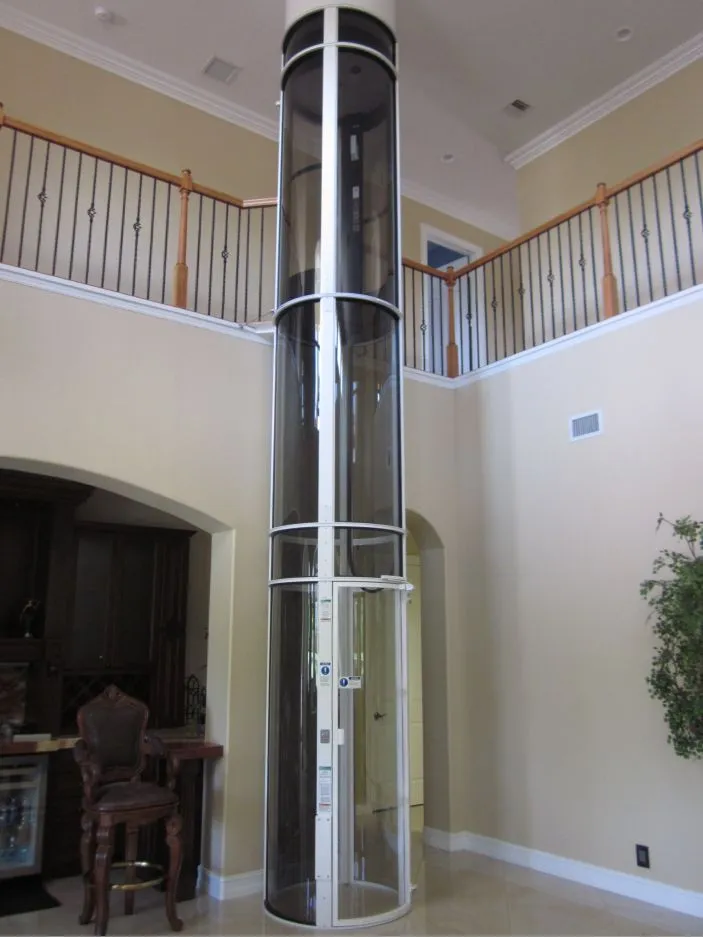
Traction elevators are commonly used in multi-storey buildings where reliable movement between floors is essential. In Ghana, they support daily operations in office complexes, hotels, apartment buildings, hospitals, shopping centres, and other commercial properties.
When a traction elevator develops a fault, the problem can affect more than passenger convenience. It may delay building operations, disrupt customer experiences, and create unexpected maintenance expenses.
Traction elevators use an electric motor and a traction system to move the elevator car. Their operation depends on components such as the controller, drive, traction machine, ropes or belts, brakes, doors, sensors, and safety devices working together correctly.
In Ghana, environmental conditions such as heat, humidity, dust, and seasonal rainfall can add to equipment challenges. However, faults can also result from component wear, heavy usage, electrical problems, ageing equipment, or inadequate maintenance.
Understanding common traction elevator problems helps building owners recognise warning signs, arrange timely repairs, and make informed maintenance decisions.
What Are the Most Common Traction Elevator Problems in Ghana?
1. Why Does a Traction Elevator Take Too Long to Respond?
When an elevator takes longer than usual to respond to calls, passengers may assume that the building needs another lift. However, the issue may be related to the elevator's operating condition.
Possible causes include controller faults, door-cycle delays, drive-system problems, or changes in how the elevator manages passenger calls.
In busy Ghanaian buildings, long waiting times can become particularly noticeable during office opening hours, lunch breaks, and closing periods.
How technicians address it: They assess the elevator's response time, operating sequence, fault records, and control system to determine whether the delay is caused by a technical problem or normal passenger demand.
2. What Causes Elevator Doors to Reopen Repeatedly?
Repeated door reopening is a common source of inconvenience for passengers and building managers.
The problem may involve door sensors, the door operator, alignment, worn rollers, or a faulty locking mechanism. Dust and frequent operation can also contribute to door-related problems.
How technicians address it: They inspect the door tracks, operator, sensors, locking system, and associated electrical connections. Depending on the findings, the solution may involve cleaning, adjustment, repair, or replacement.
Door safety devices should never be bypassed to keep an elevator operating.
3. Why Does a Traction Elevator Make Unusual Sounds?
A traction elevator may produce grinding, squealing, rattling, or humming sounds when a component needs attention.
The source could be mechanical, electrical, or related to the drive system. Worn bearings, loose components, traction-machine issues, or guide-system problems are possible causes.
The type of sound and when it occurs can help technicians narrow down the problem.
How technicians address it: They investigate the sound, inspect relevant components, and assess the elevator during appropriate testing. Repairs depend on the identified cause rather than the sound alone.
New or worsening noises should be reported promptly.
4. What Causes an Elevator to Stop at the Wrong Floor Level?
Poor levelling occurs when the elevator car stops above or below the landing floor.
This can create a tripping hazard, especially for older passengers and people using mobility aids.
Possible causes include problems with the levelling sensors, encoder, braking system, drive, or controller.
How technicians address it: They inspect the levelling and control systems, assess braking performance, and test the relevant components. The required correction depends on the fault identified.
If the elevator consistently stops unevenly, arrange a professional inspection instead of treating the problem as normal operation.
5. Why Does a Traction Elevator Shut Down Without Warning?
Unexpected shutdowns can interrupt business operations and leave building managers uncertain about the next step.
Possible causes include electrical faults, drive-system problems, safety circuit interruptions, sensor errors, or controller faults.
A shutdown may occur because the elevator's protective systems have detected a condition that prevents safe operation.
How technicians address it: They review available fault information and inspect the relevant electrical, mechanical, and safety systems. The elevator should only return to service after the cause has been appropriately assessed and the system is considered safe to operate.
If passengers are trapped, contact the building's emergency support or elevator service provider. Never attempt to force the doors open.
6. Can Humidity and Rainfall Affect Traction Elevator Components?
Yes. Moisture can contribute to corrosion and electrical problems if it reaches inadequately protected components.
In Ghana, heavy rainfall and humidity make it important for facility managers to monitor roof leaks, drainage, elevator pits, and equipment rooms.
Water entering the elevator shaft or reaching electrical equipment can create serious safety concerns.
How technicians address it: They inspect the affected areas, identify the source of moisture where relevant, assess equipment for damage, and recommend the necessary corrective work. Water intrusion should be resolved before affected equipment is returned to service.
7. Why Does an Elevator Experience Repeated Electrical Faults?
Traction elevators depend on electrical and electronic components to control movement, doors, and safety functions.
Repeated electrical faults may result from damaged connections, component deterioration, drive problems, overheating, or power-related disturbances.
Inadequate ventilation and moisture exposure may also contribute to problems in certain environments.
How technicians address it: They examine fault records, electrical connections, controller components, and drive equipment to identify the source. Electrical testing and repairs should be performed by qualified personnel.
8. What Should You Do When an Elevator Keeps Breaking Down?
Repeated breakdowns deserve a broader assessment.
When the same elevator requires frequent repairs, possible contributing factors include ageing components, unresolved faults, heavy usage, deferred maintenance, or outdated control equipment.
Continuing to repair individual symptoms without reviewing the overall condition may lead to repeated downtime.
How technicians address it: They review the elevator's maintenance history, inspect important components, and assess its operating condition. The findings can help determine whether targeted repairs, preventive maintenance, component replacement, or modernization should be considered.
How Can Building Owners in Ghana Reduce Traction Elevator Problems?
A practical maintenance plan helps facility managers identify developing faults and monitor equipment condition.
Consider the following measures:
- Schedule regular professional elevator maintenance.
- Report unusual noises, vibration, and movement changes.
- Address water leaks and moisture around equipment.
- Keep equipment areas clean and appropriately ventilated.
- Investigate repeated faults instead of repeatedly resetting the elevator.
- Maintain service reports and repair records.
- Arrange inspections when the elevator's performance changes.
- Plan component replacement based on technical assessments and manufacturer requirements.
Preventive maintenance cannot prevent every breakdown, but it can help identify problems earlier and support more reliable operation.
Can PE Lifts Services Repair Elevators Installed by Other Companies?
Yes. PE Lifts Services provides elevator repair, maintenance, troubleshooting, modernization, and technical support for different elevator brands.
A professional assessment helps establish the condition of an existing elevator and identify suitable next steps. This is useful for building owners managing older equipment, recently acquired properties, or elevators whose original installer is no longer providing support.
The recommended solution depends on the elevator's design, condition, manufacturer requirements, and parts availability.
Get Professional Traction Elevator Repair in Ghana
Traction elevator faults can disrupt daily building operations, inconvenience occupants, and increase maintenance costs when problems remain unresolved.
Whether your elevator has recurring door faults, poor levelling, unusual noises, electrical problems, or unexpected shutdowns, a proper technical assessment can help identify the cause and establish the next steps.
PE Lifts Services provides professional elevator repairs, preventive maintenance, troubleshooting, and modernization for different elevator brands.
Need Traction Elevator Support in Ghana?
Contact PE Lifts Services today to arrange a professional assessment of your traction elevator. Our technical team can investigate recurring faults, assess your equipment, and recommend the appropriate repair, maintenance, or modernization solution for your building.