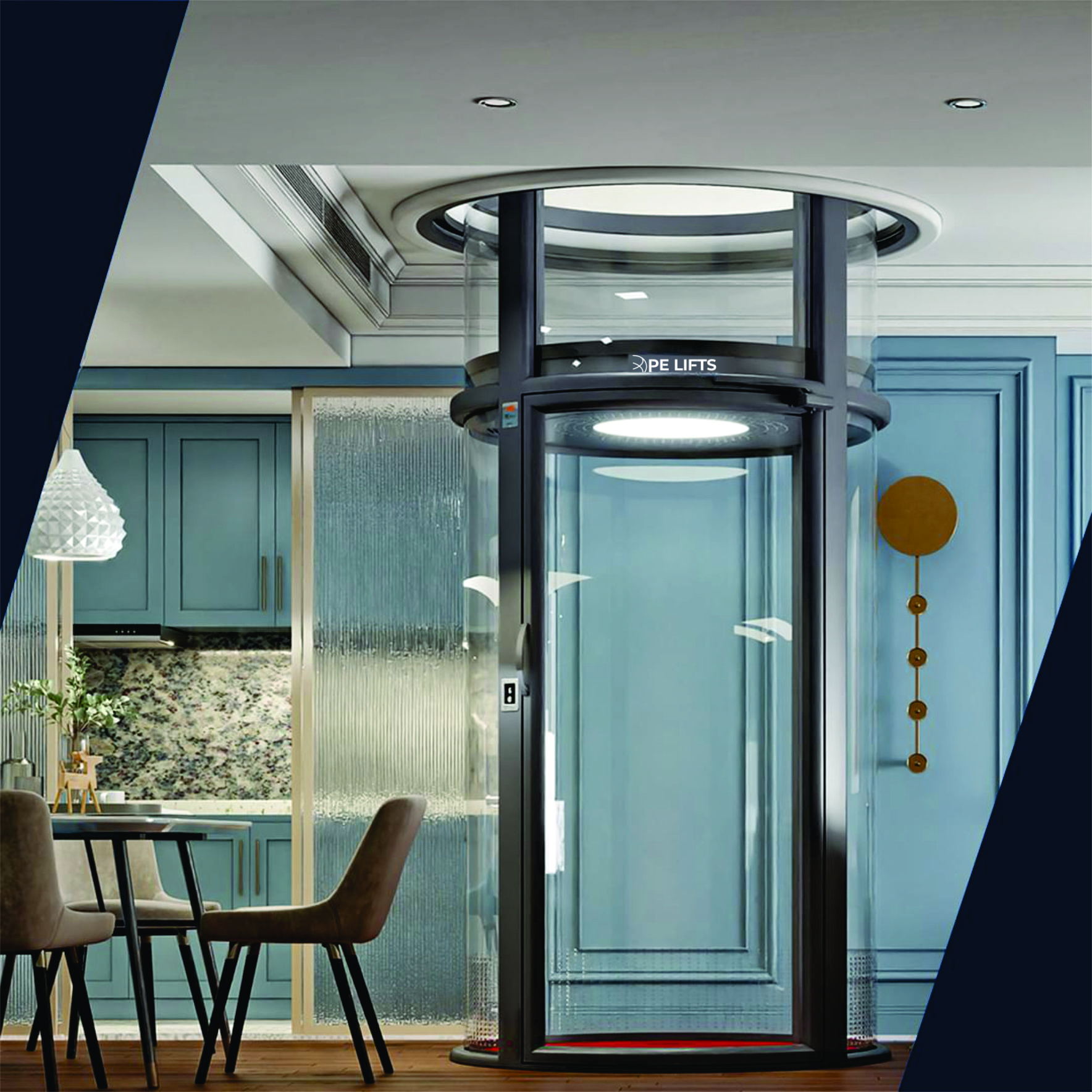
Power outages—often called “light off”—are a common experience in Electricity Company of Ghana supply areas. Because of this, many homeowners ask:
Will a home elevator still work during a power cut in Ghana?
The simple answer is yes—modern home elevators are built to keep you safe even when power goes off.
Let’s explain how it works in simple terms.
What happens to a home elevator during a power cut in Ghana?
When electricity goes off, the elevator does not suddenly stop or trap you.
Instead, it activates a built-in safety feature called auto-descent.
As a result:
- The elevator moves to the ground floor
- The doors open automatically
- You exit safely
This process happens quickly and smoothly.
What is auto-descent and how does it work?
Auto-descent is a safety system designed for power failure.
Here’s how it works:
- Power goes off
- Backup system activates
- Elevator moves gently downward
- It stops at the ground floor
- Doors unlock and open
Because of this, you won’t get stuck inside.
What powers the elevator during a blackout?
Home elevators use backup power systems to handle outages.
These include:
- Built-in batteries
- Inverters
- Generator connections
How it works:
First, the backup system takes over immediately after a power cut. Then, it supplies enough energy to move the elevator safely to the ground floor.
However, it does not run the elevator normally—only for safe exit.
Can you still use your elevator during power cuts in Ghana?
Yes, but it depends on your setup.
With inverter or generator:
The elevator continues working normally.
Without backup power:
The elevator completes auto-descent and pauses operation until electricity returns.
Are home elevators safe with ECG power fluctuations?
Yes, they are.
Modern elevators are designed for environments with unstable power supply. For example, they include:
- Emergency braking systems
- Voltage protection
- Backup activation systems
- Smooth speed control
Therefore, the system always protects passengers first.
Are pneumatic elevators better for Ghana?
In many cases, yes.
Pneumatic (vacuum) elevators are popular because:
- They use power only when going up
- They consume less electricity
- They descend naturally using air pressure
As a result, they perform well even during frequent outages.
Common myths about elevators and power cuts
Myth 1: Elevators fall when power goes off
False. Safety brakes prevent this.
Myth 2: You will be trapped inside
Not true. Auto-descent ensures safe exit.
Myth 3: Elevators stop suddenly
Instead, they slow down and move safely.
What should you check before installing a home elevator in Ghana?
To stay safe, confirm the following:
- Auto-descent feature
- Battery backup system
- Compatibility with inverters/generators
- Certified safety standards
Choosing the right system gives you peace of mind.
Frequently Asked Questions (FAQs)
1. Will I get stuck in an elevator during a power cut in Ghana?
No. The elevator will move to the nearest floor and open.
2. What is auto-descent?
It is a feature that brings the elevator down during power failure.
3. Can elevators work without electricity?
They use backup systems to move safely.
4. Can I use my elevator during ECG outages?
Yes, if you have a generator or inverter.
5. Are elevators safe in Ghana’s power conditions?
Yes. Modern systems are designed for it.
6. Which elevator is best for Ghana?
Pneumatic elevators are a strong option due to efficiency.
7. What happens after the elevator comes down?
It stops working until power returns.
Final Thoughts
Power cuts in Ghana are common, but they should not stop you from installing a home elevator.
Modern systems include auto-descent and backup power, which means:
- You won’t be trapped
- You can exit safely
- The system remains reliable
In short, today’s home elevators are built for real-life conditions in Ghana, ensuring safety and comfort even during outages.