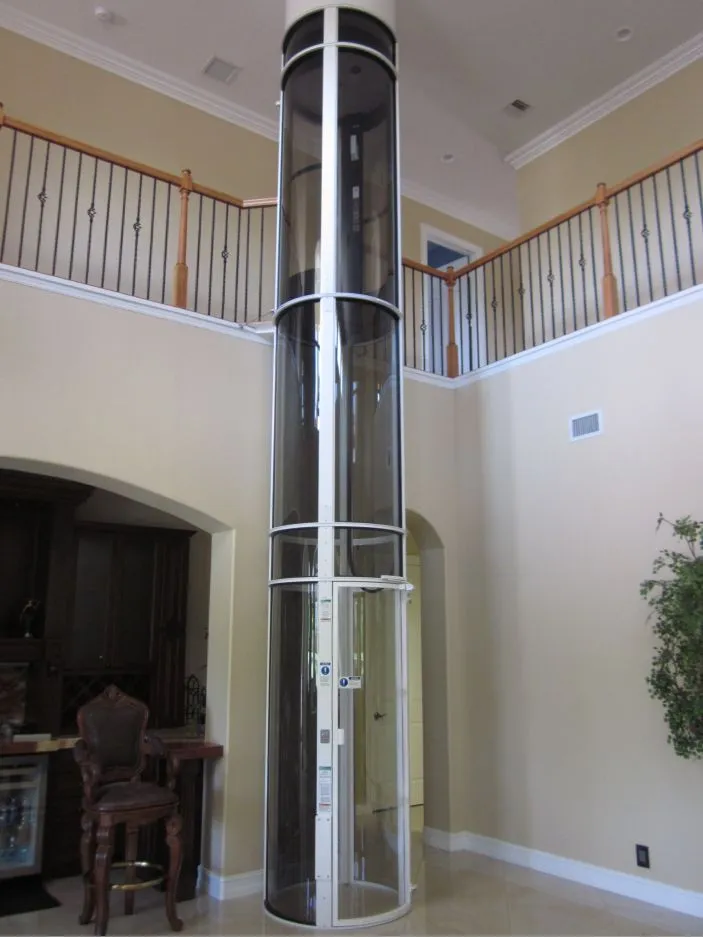
An elevator is expected to provide smooth and reliable movement between floors. But like any mechanical and electrical system, a lift can develop faults unexpectedly.
For a home in Accra, an apartment building in Kumasi, a hotel in Takoradi, or a commercial property in Tema, an elevator problem can quickly disrupt normal activities.
Some faults are minor and can be scheduled for inspection. Others require immediate professional attention.
At PE Lifts, we understand that when an elevator stops working, property owners and facility managers need more than a quick temporary fix. They need to know what went wrong, whether the elevator is safe, and what should be done next.
Here are four common elevator emergencies that may require professional assistance.
Door Malfunction
Elevator doors operate repeatedly throughout the day. Over time, components within the door system can experience wear, misalignment, electrical faults, or other problems.
A door malfunction may appear as:
- Doors refusing to open
- Doors refusing to close
- Doors opening and closing repeatedly
- Slow door movement
- Unusual sounds from the doors
- Doors stopping before fully closing
- The elevator refusing to move because the doors are not registering correctly
Why Are Elevator Door Problems Important?
Elevator doors are connected to the lift's safety and control systems.
The elevator may be designed not to move when the doors are not correctly secured. This is an important safety function.
Never force an elevator door open.
Forcing a door can damage the door mechanism or create an unsafe situation, particularly when the cabin is not properly positioned at a landing.
A qualified technician should inspect the door operator, locks, sensors, alignment, and other relevant components.
Power Failure
Power interruptions can affect elevator operation, particularly when the lift is travelling when the electrical supply is interrupted.
Depending on the elevator's design and installed emergency systems, the response to a power failure can vary.
If passengers are inside an elevator during a power interruption, they should:
- Remain calm
- Use emergency lighting or communication features if available
- Contact building management
- Contact the elevator service provider
- Wait for trained assistance
Do not attempt to restart the elevator or interfere with electrical equipment.
If normal power returns but the elevator remains out of service, professional diagnosis may be necessary.
Does a Power Cut Always Mean the Elevator Has a Fault?
No.
A power interruption may simply stop the elevator until normal electricity is restored. However, if the elevator does not resume normal operation afterwards, there may be another issue that requires investigation.
A technician can determine whether the problem is related to the power supply, control system, safety circuit, or another component.
Mechanical Fault
An elevator contains numerous mechanical components that work together to support movement, stopping, and smooth operation.
Mechanical faults can develop because of normal wear, component damage, adjustment issues, or other causes.
Warning signs may include:
- Grinding sounds
- Squeaking
- Excessive vibration
- Jerky movement
- Rough starting or stopping
- Changes in ride quality
- Unusual movement between floors
A mechanical problem should not be ignored simply because the elevator is still operating.
If passengers notice a significant change in how the lift moves, the equipment should be professionally assessed.
Why Should Mechanical Problems Be Addressed Early?
A developing mechanical issue can potentially become more disruptive if it is left unattended.
During an inspection, a qualified technician can investigate the affected components and determine whether they require adjustment, servicing, repair, replacement, or further monitoring.
The objective is not just to restore operation but to understand the condition of the equipment.
Sensor Error
Modern elevator systems use sensors and electronic components to monitor different aspects of operation.
Depending on the elevator, sensors may be involved in:
- Door operation
- Floor positioning
- Safety functions
- Movement
- Speed monitoring
- Passenger detection
When a sensor produces an incorrect signal or stops working properly, the elevator may respond by stopping or preventing certain functions.
Possible signs include:
- Doors repeatedly reopening
- The elevator refusing to move
- Incorrect floor positioning
- Repeated error messages
- Unexpected shutdowns
- Intermittent operation
Does a Sensor Error Always Mean the Sensor Is Faulty?
Not necessarily.
An error associated with a sensor does not automatically mean the sensor itself needs replacement.
The issue could involve wiring, another electronic component, the control system, alignment, or another part of the elevator.
That is why repeatedly resetting the elevator may not solve the underlying problem.
A technician should diagnose the system to identify the actual cause.
What Should You Do During an Elevator Emergency?
When an elevator develops a serious fault, passenger safety should come first.
If someone is trapped:
- Stay calm.
- Use the elevator's emergency alarm or communication system if available.
- Contact building management.
- Contact the elevator service provider.
- Keep communication with the passenger while help is arranged.
- Wait for trained personnel.
Do not attempt to force open the doors, climb out, or repair the elevator yourself.
If the elevator is empty but has developed a significant fault, restrict its use where appropriate and arrange professional inspection.
Are All Elevator Faults Emergencies?
No.
Some problems can be scheduled for professional inspection rather than requiring immediate emergency intervention.
However, unusual elevator behaviour should never simply be ignored.
Examples include:
- New or unusual noises
- Increasing vibration
- Slow doors
- Poor floor levelling
- Repeated error messages
- Frequent resets
- Intermittent shutdowns
- Changes in ride quality
These may be early indications of a developing problem.
Addressing them early can potentially prevent a more disruptive breakdown.
Why Do Elevator Emergencies Happen?
There is rarely one universal reason for an elevator emergency.
Potential causes include:
- Electrical faults
- Power interruptions
- Component wear
- Door system problems
- Control system faults
- Sensor issues
- Mechanical problems
- Brake-related issues
- Safety circuit activation
- Irregular maintenance
The symptoms may not always reveal the actual cause.
For example, a lift that refuses to move could have a door problem, a safety circuit issue, a sensor problem, or a control fault.
Professional diagnosis is therefore important.
Can Regular Maintenance Reduce Elevator Emergencies?
Yes. Preventive maintenance can help identify developing issues before they result in major breakdowns.
During routine servicing, technicians can inspect relevant systems, identify abnormal operation, monitor component condition, and recommend repairs.
This creates a more proactive maintenance cycle:
Inspection → Early detection → Planned repair → Monitoring
Instead of:
Fault → Breakdown → Emergency call → Unplanned downtime
Regular maintenance does not guarantee that an elevator will never fail. Unexpected faults can still occur.
However, maintaining the system properly can help reduce avoidable problems and support reliable operation.
Can PE Lifts Service Elevators From Other Brands?
PE Lifts' elevator maintenance and technical support is not limited to elevators originally installed by PE Lifts.
Eligible elevators from other manufacturers can be assessed to determine their condition and maintenance requirements.
This can be helpful for Ghanaian property owners who:
- Purchased an existing building
- Have an older elevator
- Want to change maintenance providers
- Experience recurring faults
- No longer work with the original installer
A technical assessment provides an opportunity to understand the elevator's condition before deciding on the appropriate repair or maintenance programme.
How Does Emergency Elevator Repair Work?
When a technician responds to an elevator emergency, the process may involve:
Assessment
The technician establishes what happened and whether passengers are involved.
Inspection
Relevant mechanical, electrical, electronic, control, door, and safety components are examined.
Diagnosis
The technician investigates the symptoms and identifies the likely source of the fault.
Repair
Where appropriate, the affected component is repaired, adjusted, or replaced.
Testing
The elevator is appropriately tested following the repair.
Recommendation
If additional repairs, component replacement, modernisation, or preventive maintenance are required, the property owner or facility manager can be advised.
Common Elevator Emergencies at a Glance
| Emergency | Common Signs | Recommended Action |
|---|---|---|
| Door malfunction | Doors won't open, close, or move normally | Contact a qualified technician |
| Power failure | Lift stops during power interruption | Keep passengers calm and seek assistance |
| Mechanical fault | Vibration, grinding, jerky movement | Arrange professional inspection |
| Sensor error | Repeated errors, positioning or door problems | Arrange technical diagnosis |
Why Professional Elevator Repair Matters in Ghana
An elevator combines several systems that must work together correctly.
Attempting to repair one component without understanding how it interacts with the rest of the system can create additional problems.
Professional elevator technicians can investigate faults systematically and determine whether the equipment requires emergency repair, adjustment, component replacement, or further maintenance.
For property owners, this means the focus can move beyond simply getting the elevator running again.
The goal becomes safe, reliable, and sustainable elevator operation.
Don't Ignore the Early Warning Signs
An elevator emergency may seem to happen suddenly, but some breakdowns are preceded by warning signs.
A door that has become slower, unusual vibration, recurring error messages, or repeated shutdowns should be reported.
Early professional attention can give property owners an opportunity to address developing problems before they cause greater disruption.
Need Elevator Emergency Support in Ghana?
Whether you are dealing with a door malfunction, power failure, mechanical fault, sensor error, or another elevator problem, getting the right technical support matters.
PE Lifts provides elevator services for residential and commercial properties, including emergency repairs, fault diagnosis, preventive maintenance, inspections, and ongoing elevator servicing.
Eligible elevators from other brands can also be assessed for technical and maintenance support.
Contact PE Lifts Ghana Today
Is your elevator showing an error, refusing to move, experiencing door problems, or making unusual sounds? Don't wait for the situation to become a major breakdown.
Contact PE Lifts Ghana today for professional elevator inspection, emergency repair, fault diagnosis, or maintenance support.
For long-term reliability, ask about a preventive maintenance programme or Annual Maintenance Contract (AMC) suited to your elevator and building.