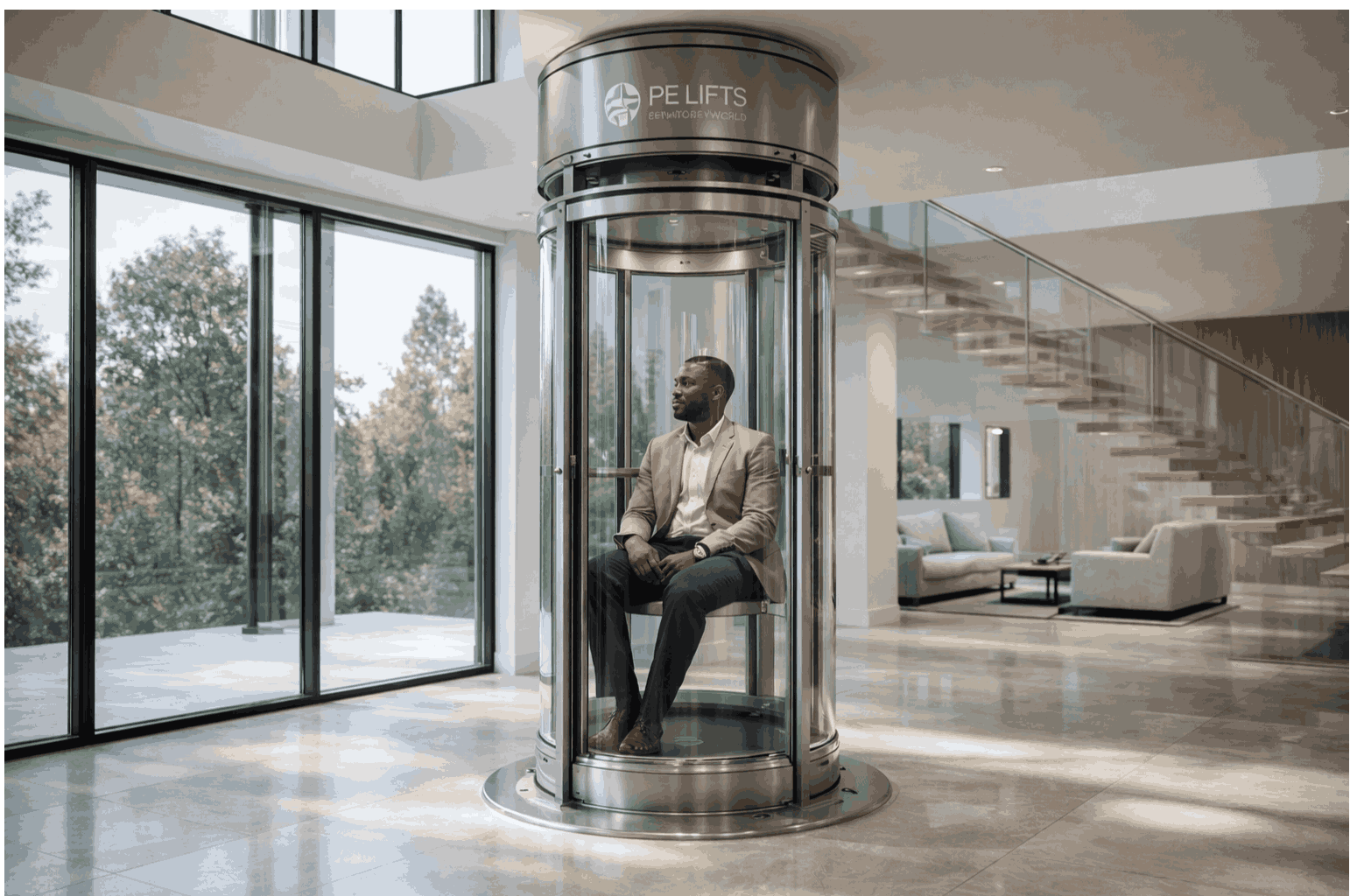
When families in Ghana consider installing a home elevator, one question often comes up before any other:
"What happens if there's a power outage?"
For elderly homeowners and individuals with limited mobility, this is a critical concern. After all, a home elevator is meant to improve safety and independence—not create new worries.
The good news is that modern residential elevators are equipped with advanced safety systems that continue protecting passengers even when electricity is interrupted. One of the most important of these features is automatic emergency descent, commonly called auto-descent.
Let's explore how it works and why it matters for elderly users in Ghana.
Why Power Outages Are a Major Concern for Seniors
Older adults often rely on home elevators because stairs become increasingly difficult to use with age.
Challenges such as:
- Arthritis
- Knee and joint pain
- Reduced balance
- Muscle weakness
- Mobility limitations
can make staircases risky.
Because elevators become part of a senior's daily routine, families naturally want reassurance that the system remains safe during unexpected power interruptions.
This is where emergency backup features play an important role.
What Is Auto-Descent?
Auto-descent is a built-in safety feature that activates automatically when the elevator detects a loss of power.
Instead of remaining stuck between floors, the elevator safely travels to a designated landing level where passengers can exit normally.
The process happens without requiring any action from the user.
For elderly passengers, this means there is no need to worry about operating emergency controls or waiting inside the cabin.
How Auto-Descent Works
Many people imagine an elevator instantly stopping when power fails.
Modern residential elevators are designed differently.
Step 1: Power Interruption Occurs
The system immediately detects that normal electrical power has been lost.
Step 2: Backup System Activates
An emergency battery system automatically takes over essential functions.
Step 3: Safe Descent Begins
The elevator gently moves to a landing floor.
Step 4: Doors Unlock
Once the cabin reaches the floor safely, passengers can exit.
Step 5: Elevator Remains Secure
The elevator stays safely parked until power is restored.
The entire process is designed to provide a calm and controlled experience.
Why Auto-Descent Is Important in Ghana
Although Ghana has made significant improvements to its electrical infrastructure over the years, homeowners still value systems that can operate safely during unexpected interruptions.
For elderly users, auto-descent offers several benefits:
- Peace of mind
- Greater confidence when using the elevator
- Reduced anxiety about power failures
- Improved overall safety
- Continued independence
These advantages make residential elevators a practical long-term solution for aging in place.
Backup Batteries Provide Additional Protection
Modern home elevators often include auxiliary battery systems that support key functions during a power outage.
These batteries can help power:
- Emergency descent operation
- Cabin lighting
- Ventilation systems
- Communication features
This ensures passengers remain safe and comfortable while the elevator completes its emergency procedure.
Emergency Lighting Improves Visibility
Sudden darkness can be unsettling, especially for older adults.
Battery-powered emergency lighting keeps the cabin illuminated during a power interruption.
Benefits include:
- Better visibility
- Reduced confusion
- Increased passenger comfort
- Easier and safer exit from the elevator
A well-lit cabin helps users remain calm throughout the process.
Ventilation Systems Support Passenger Comfort
Comfort is an important part of elevator safety.
Many residential elevators include emergency ventilation systems that continue providing airflow even when the main power supply is unavailable.
This helps:
- Maintain fresh air circulation
- Reduce discomfort
- Prevent feelings of confinement
- Create a more reassuring experience
For elderly passengers, these features can make a significant difference.
Emergency Communication Features
Modern home elevators often include systems that allow passengers to request assistance if necessary.
These may include:
- Emergency alarm buttons
- Communication lines
- Cabin telephones
- Alert systems
While auto-descent usually resolves the situation automatically, communication features provide an additional layer of security.
Is a Home Elevator Safer Than Using Stairs?
For many seniors, the answer is yes.
Falls on stairs are one of the most common causes of injury among older adults.
Potential risks include:
- Slipping
- Tripping
- Loss of balance
- Serious injuries from falls
A residential elevator helps eliminate these hazards by providing smooth, controlled movement between floors.
When combined with auto-descent technology, the elevator remains a safe mobility solution even during unexpected power interruptions.
Supporting Independent Living for Seniors
Many families in Ghana want elderly loved ones to remain comfortable and independent in their own homes.
A home elevator supports this goal by providing safe access to every level of the house.
Features such as:
- Auto-descent
- Backup batteries
- Emergency lighting
- Ventilation systems
- Communication tools
help ensure seniors can continue enjoying their homes with confidence.
Frequently Asked Questions
Will a home elevator stop working completely during a power outage?
No. Modern residential elevators typically use emergency systems that guide the elevator safely to a landing floor.
Can someone get trapped inside during a power cut?
Auto-descent technology is designed specifically to prevent passengers from becoming stranded between floors.
Will the elevator have lighting during a power outage?
Most modern home elevators include battery-powered emergency lighting.
Is auto-descent automatic?
Yes. The system activates automatically without requiring any action from the passenger.
Are home elevators suitable for elderly users in Ghana?
Absolutely. Modern residential elevators are designed with multiple safety features that support accessibility, comfort, and independence.
Final Thoughts
For elderly homeowners in Ghana, safety is one of the most important considerations when choosing a home elevator.
Fortunately, modern residential elevators are built with advanced protection systems that continue working during power interruptions. Auto-descent technology safely brings the elevator to a landing floor, while backup batteries, emergency lighting, ventilation, and communication systems provide additional reassurance.
The result is a mobility solution that supports independence, reduces anxiety, and helps seniors move safely throughout their homes—regardless of unexpected power cuts.