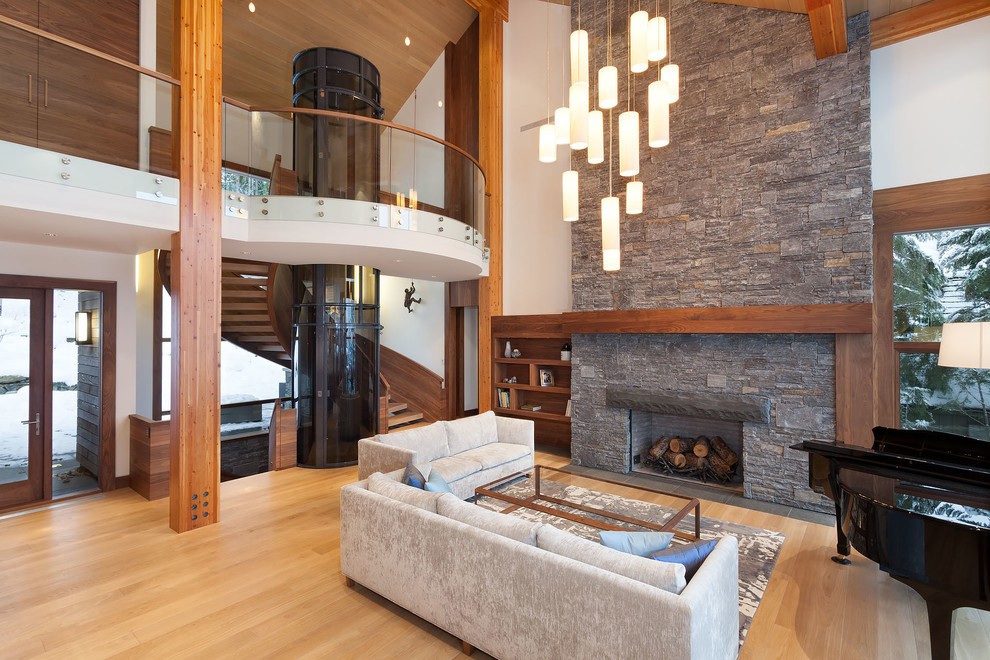
Home elevators are becoming increasingly popular in Ghana, especially among homeowners building multi-storey houses, luxury residences, and homes designed for ageing family members. Yet many people still have questions about how these systems work and whether they are worth the investment.
If you're considering installing a home elevator, here are answers to some of the most common questions Ghanaian homeowners ask.
1. Why Are More Homeowners in Ghana Installing Home Elevators?
Traditionally, elevators were associated with hotels, office buildings, and shopping centres. Today, residential elevators are becoming a practical addition to private homes.
Homeowners are installing elevators to:
- Improve accessibility
- Support elderly family members
- Prepare for future mobility needs
- Add convenience to daily life
- Increase property appeal
For many families, a home elevator is an investment in comfort and long-term living.
2. Can a Home Elevator Be Installed in a Duplex or Private Residence?
Yes.
Modern home elevators are specifically designed for residential properties. Whether you own a duplex, townhouse, villa, or multi-level family home, there are elevator models suitable for different layouts and space requirements.
Many systems can be installed without major structural alterations.
3. Will an Elevator Make My Home Safer?
In many cases, yes.
Falls on stairs are one of the most common household accidents, particularly among older adults and individuals with mobility challenges.
A home elevator helps reduce the need to climb stairs repeatedly and provides a safer way to move between floors.
This can be especially beneficial for:
- Elderly parents
- Pregnant women
- Individuals recovering from injury
- People carrying heavy items
4. What If My Parents Cannot Use Stairs Anymore?
This is one of the main reasons families invest in residential elevators.
Instead of relocating elderly parents to a ground-floor room or considering a move to a different house, a home elevator allows them to continue accessing every level of the home safely and independently.
This supports both mobility and dignity.
5. Can Home Elevators Handle Ghana's Power Challenges?
Yes.
Many modern residential elevators include emergency battery backup systems and automatic descent technology.
If power is interrupted while the elevator is in operation, the system safely moves to the nearest floor and allows passengers to exit.
This feature provides peace of mind for homeowners and their families.
6. Are Home Elevators Difficult to Operate?
Not at all.
Residential elevators are designed with user-friendly controls.
Most systems feature:
- Simple push-button operation
- Clearly labelled controls
- Smooth starting and stopping
- Easy access for seniors
Many elderly users find elevators easier to operate than navigating stairs.
7. Do Home Elevators Require a Large Elevator Shaft?
Not necessarily.
Technology has evolved significantly over the years. Some modern home elevators require much less space than traditional lift systems.
Depending on the model, installation may not require a large shaft, machine room, or extensive building modifications.
A professional site survey can determine the most suitable solution for your home.
8. Can I Use a Home Elevator to Carry Groceries and Household Items?
Yes.
One often-overlooked advantage of a home elevator is convenience.
Many homeowners use their elevators to transport:
- Shopping bags
- Luggage
- Laundry
- Household supplies
- Mobility equipment
This reduces physical strain and makes daily living more comfortable.
9. How Long Will a Residential Elevator Last?
With proper maintenance, a quality residential elevator can provide reliable service for many years.
Factors that contribute to longevity include:
- Professional installation
- Routine servicing
- Proper usage
- Quality equipment
Regular maintenance helps ensure safe and efficient performance over the long term.
10. Is a Home Elevator Noisy?
Modern residential elevators are designed to operate quietly.
Advanced engineering and noise-reduction technology help minimise sound during operation, making them suitable for family homes where comfort and privacy are important.
11. Can Children and Grandchildren Use the Elevator Safely?
Yes.
Most residential elevators include built-in safety systems such as:
- Door interlocks
- Emergency stop buttons
- Child safety controls
- Alarm systems
- Automatic door locking mechanisms
These features help create a safe environment for all household members.
12. Is a Home Elevator Only for Elderly People?
No.
While home elevators are often installed to support ageing family members, they benefit people of all ages.
They can be useful for:
- Growing families
- Individuals with temporary injuries
- People with disabilities
- Homeowners planning for future accessibility
- Luxury property owners seeking convenience
A home elevator is a long-term lifestyle investment rather than a solution for a single age group.
13. Does a Home Elevator Add Value to a Property?
Many property professionals consider accessibility and convenience valuable features in modern homes.
A residential elevator can help distinguish a property from similar homes and may increase its attractiveness to future buyers who value accessibility and comfort.
14. How Do I Know Which Elevator Is Right for My Home?
The best elevator depends on several factors, including:
- Number of floors
- Available space
- User mobility needs
- Wheelchair accessibility requirements
- Home design preferences
- Budget considerations
Working with an experienced elevator provider ensures that the solution matches your specific needs.
Final Thoughts
A home elevator is more than a luxury feature. For many Ghanaian families, it is a practical investment that improves safety, convenience, accessibility, and quality of life.
Whether you are planning a new build, renovating an existing property, or looking for a better way to support elderly loved ones, understanding these frequently asked questions can help you make an informed decision.
The right home elevator can make your home more comfortable, future-ready, and accessible for everyone.