Understanding Vacuum Elevators
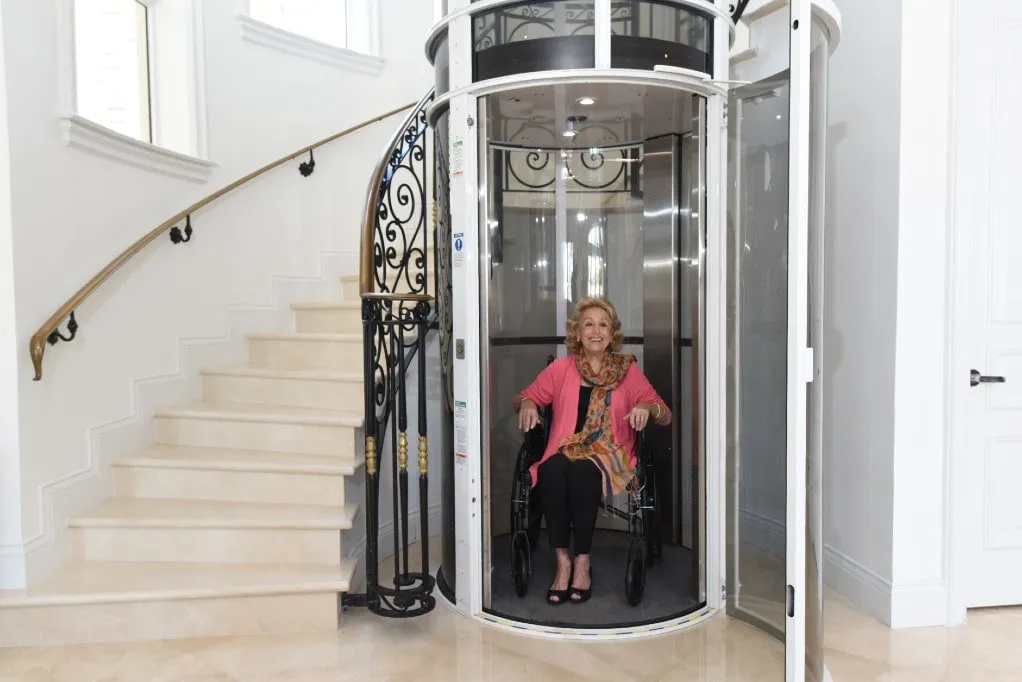
Vacuum elevators represent an innovative advancement in vertical transportation, utilizing a unique method of operation that diverges significantly from traditional elevator systems. They fundamentally function on the principle of air pressure differential. Within a sealed cylinder, atmospheric pressure works to lift the elevator car when the air is removed from the space above it. This technology not only streamlines the engineering process but also creates a surprisingly compact design, allowing it to fit into various architectural styles without extensive remodeling.
The structure of a vacuum elevator is distinct, often featuring a transparent casing made from polycarbonate or glass. This design grants passengers panoramic views, enhancing the experience of traveling between floors. The elevators are typically powered by a suction pump and operate more quietly than their conventional counterparts, as they lack heavy cables and machinery, consequently maximizing space efficiency. This design is particularly advantageous in urban environments where space is limited and maximizing floor area is essential.
In terms of functionality, vacuum elevators offer several benefits over traditional systems. They are energy-efficient, using significantly less power due to their reliance on air pressure instead of motors or pulleys. This efficiency leads to reduced operational costs and represents an environmentally friendly option, in line with modern sustainability efforts. Moreover, vacuum elevators are often easier to install, requiring minimal structural adjustments, and can be a reliable option in regions with unreliable power supply, as they can function efficiently even with sporadic electricity. As such, vacuum elevators present themselves as a modern solution that aligns well with the diverse needs of residential and commercial buildings, particularly in regions like Ghana.
Challenges of Traditional Elevators in Ghana's Regions
The elevator systems traditionally employed in Ghana face numerous challenges that hinder their operational efficiency and reliability across the country's diverse geographical landscape. One major issue is the inadequacy of infrastructure, particularly in rural and semi-urban areas. Many buildings do not have the architectural provisions to accommodate standard elevator systems, which often require extensive civil engineering adaptations. As a result, conventional elevators may be unsuitable for certain regions, leading to a mismatch between building design and elevator specifications.
Furthermore, power supply inconsistencies pose a significant hurdle for traditional elevators in Ghana. Many regions experience frequent electricity outages, commonly referred to as 'dumsor.' This instability in power supply can lead to elevator downtime, creating safety concerns for users and necessitating an unreliable maintenance routine. Traditional systems are heavily reliant on continuous power for their operation; therefore, any disruptions can result in operational failures, increasing the risk of users becoming trapped or inconvenienced.
Maintenance problems also frequently arise with conventional elevator systems, exacerbated by the limited availability of trained technicians in underserved areas. Inconsistent maintenance can lead to mechanical failures, which not only hampers user experience but could potentially result in hazardous situations for passengers. Moreover, many companies struggle to provide timely repairs, leading to prolonged periods of malfunction.
Finally, the geographical diversity of Ghana presents unique challenges. From mountainous terrains to coastal regions, the varying landscape complicates the installation and maintenance of traditional elevators, making them less feasible in certain areas. This geographical specificity underscores the need for innovative solutions, such as vacuum elevators, which can adapt to diverse environments while ensuring accessibility and efficiency for all Ghanaians.
Advantages of Vacuum Elevators for Ghanaian Communities
Vacuum elevators are increasingly recognized as a viable solution for addressing the unique needs of communities in Ghana. With their innovative technology, these elevators offer several benefits tailored to the country’s diverse regional characteristics. One of the primary advantages of vacuum elevators is their energy efficiency. They utilize air pressure to operate, making them significantly less energy-intensive compared to traditional elevators. This feature is particularly beneficial in areas where electricity supply can be inconsistent, ensuring that vertical transportation is accessible even during power outages.
Another notable benefit is their low maintenance requirements. Vacuum elevators have fewer moving parts than conventional systems, which translates to reduced wear and tear. This aspect is crucial for Ghanaian communities that may not have easy access to repair services, as it significantly lowers the costs associated with maintenance and extends the lifespan of the system. Consequently, communities can enjoy the convenience of elevators without the burden of continuous upkeep.
Space-saving design is another significant advantage. In urban areas where buildings are often compact, vacuum elevators have a minimal footprint. Their sleek structure requires less installation space, allowing them to be integrated into various environments seamlessly. Furthermore, vacuum elevators are versatile, making them suitable for both urban and rural settings. In rural areas, where mobility can be a challenge, they can help to bridge the accessibility gap for individuals with mobility difficulties.
Importantly, by enhancing accessibility, vacuum elevators can significantly improve the quality of life for residents. They provide safe and efficient vertical movement, which is essential for elderly populations and individuals with disabilities. In summary, the integration of vacuum elevators can have a profound impact on the infrastructure of Ghanaian communities, contributing to greater inclusivity and convenience for all residents.
Future Prospects of Vacuum Elevators in Ghana
The future of vacuum elevators in Ghana appears promising, particularly given the country's ongoing urbanization and development initiatives. As cities expand and the population grows, the demand for efficient vertical transportation systems will increase. Vacuum elevators, with their unique design and energy efficiency, present a viable solution that aligns with Ghana's vision for modern infrastructure. These elevators not only cater to residential and commercial buildings but also to the unique geographical challenges posed by various regions across the country.
Technological advancements are set to play a significant role in enhancing the acceptance of vacuum elevators in Ghana. With the integration of smart technologies, such as IoT for real-time monitoring and maintenance, these elevators can become even more efficient and user-friendly. This technological evolution may facilitate a broader understanding and appreciation of vacuum elevators among consumers, reducing initial skepticism and encouraging adoption in both urban and rural settings. Furthermore, providing training and education about the advantages of vacuum elevators will foster a more informed consumer base.
Partnerships between manufacturers of vacuum elevators and local businesses are essential for fostering innovation within the construction sector. Collaborations could lead to tailored solutions that meet local needs and preferences, thus increasing market penetration. As local companies receive support and expertise from manufacturers, they can offer installation and maintenance services, ensuring the long-term success of vacuum elevators in Ghana.
In conclusion, vacuum elevators stand to significantly influence Ghana's construction landscape. Their innovative design, combined with strategic partnerships and advancements in technology, positions them as not just a wise choice for modern buildings but also as a contributor to sustainable building practices in Ghana. Embracing these elevators can lead to smarter urban planning and enhanced quality of life for residents across diverse regions of the country.