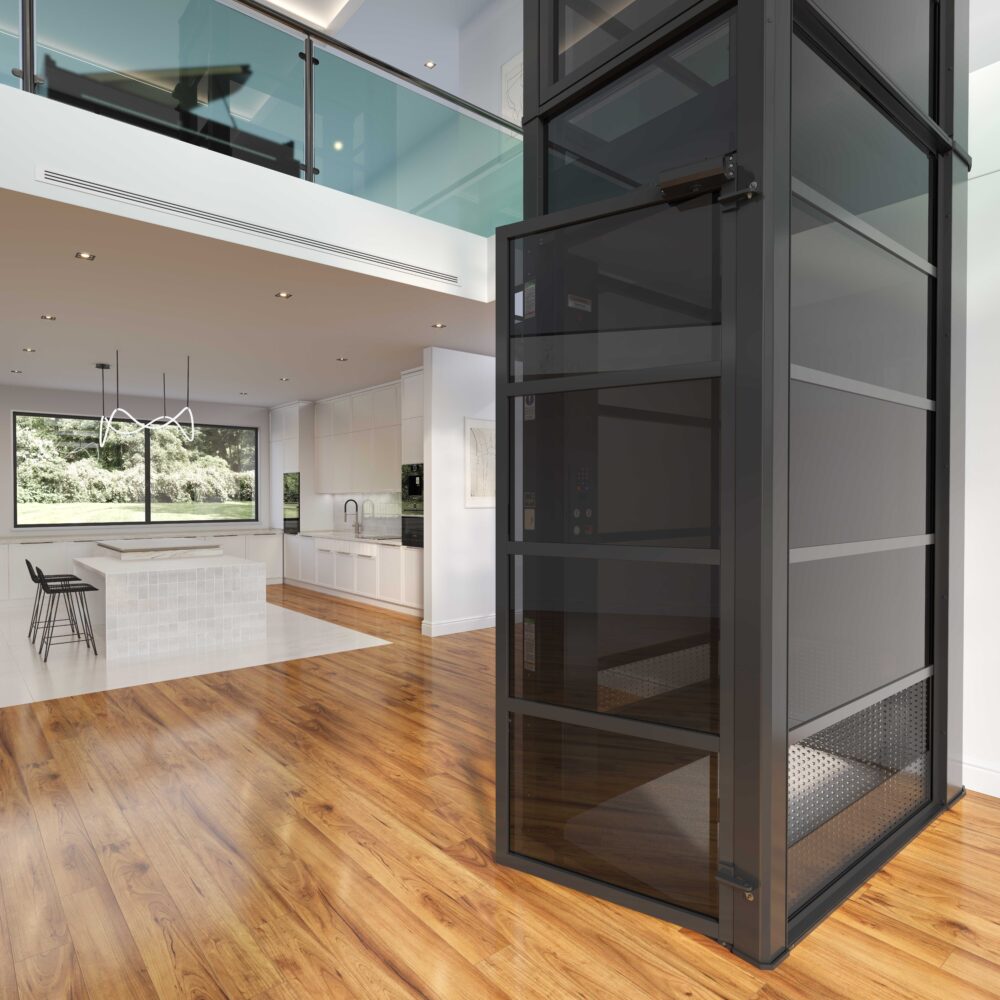
Traction elevators are widely used in buildings where dependable vertical transportation is essential. From residential apartments and office buildings to hotels, hospitals, and commercial properties, these systems help people move safely between floors every day.
However, frequent use, component wear, electrical problems, poor maintenance, and unresolved faults can affect elevator performance.
When a traction elevator begins operating differently from normal, the problem should not simply be ignored. Early professional diagnosis can help identify the cause and determine whether the elevator needs adjustment, repair, component replacement, or more extensive technical work.
For building owners and facility managers in Ghana, professional traction elevator repair provides a way to address faults while keeping the elevator's overall condition under review.
What Are the Signs That a Traction Elevator Needs Repair?
Some elevator problems are obvious, while others begin as small changes in performance.
Building owners and facility managers should pay attention to signs such as:
- The elevator becoming slower or less responsive
- Doors taking longer to open or close
- The car stopping unevenly at floors
- New or unusual sounds
- Increased vibration during travel
- Repeated shutdowns
- Frequent error messages
- The elevator requiring repeated resets
- Passengers experiencing an unusual ride
- The same fault occurring repeatedly
A single unusual occurrence may not reveal the full cause of a problem. However, recurring changes in performance should be professionally investigated.
Why Do Traction Elevators Develop Faults?
A traction elevator contains several systems that work together, including mechanical components, electrical equipment, controls, safety devices, sensors, and door systems.
A problem in one area can affect the operation of another.
Common contributing factors can include:
- Component wear
- Electrical faults
- Control-system problems
- Sensor issues
- Door-system problems
- Mechanical deterioration
- Previous repairs
- Inadequate maintenance
- Age of the equipment
- Heavy or frequent usage
This is why simply replacing the first component that appears faulty may not always solve a recurring problem.
A proper technical assessment helps establish the underlying cause.
What Happens When a Traction Elevator Is Not Level With the Floor?
One issue building users may notice is inaccurate floor levelling.
This happens when the elevator car does not stop at the same level as the landing floor. Even a small difference can make entering or exiting uncomfortable and may create a trip hazard.
Levelling problems can be associated with sensors, controls, drive-related issues, adjustments, or component wear.
How Is Poor Levelling Diagnosed?
A technician can assess the elevator's stopping performance and investigate the relevant control, sensing, and mechanical systems.
The required solution may involve adjustment, troubleshooting, component repair, or replacement.
The important point is to identify why the elevator is stopping incorrectly rather than simply correcting the position temporarily.
What Should You Do If the Elevator Ride Becomes Rough?
A traction elevator should provide controlled movement between floors.
If passengers begin noticing unusual shaking, vibration, sudden movement, or changes in ride quality, the elevator should be inspected.
The cause could be associated with mechanical components, drive systems, guide-related components, or other parts of the elevator system.
How Do Technicians Find the Cause?
Professional troubleshooting involves observing how the elevator behaves under different operating conditions and inspecting the relevant components.
The technician may then recommend adjustment, repair, replacement, or additional investigation depending on the findings.
This approach is important because the visible symptom may not always be the source of the problem.
Why Do Elevator Doors Keep Reopening?
Repeated door reopening is another issue that can affect elevator operation.
Doors may reopen because the elevator detects a condition that prevents safe closing. Possible causes can involve sensors, door locks, the door operator, alignment, or electrical connections.
Rather than forcing the doors closed or repeatedly resetting the elevator, the system should be inspected by a qualified technician.
How Do We Approach Door Problems?
The door system is examined to determine whether the issue is mechanical, electrical, sensor-related, or connected to another part of the elevator's control or safety system.
The appropriate repair can then be recommended based on the findings.
Because elevator doors are connected to important safety functions, repairs should be performed by trained professionals.
What Causes a Traction Elevator to Stop Unexpectedly?
An elevator that stops unexpectedly can have several possible causes.
The problem may involve:
- Safety circuits
- Sensors
- Electrical supply
- Controls
- Drive systems
- Mechanical components
- Door systems
This is why an unexpected stop should not automatically be attributed to one particular component.
How Is an Unexpected Stop Investigated?
Technicians can review the elevator's operating behaviour, fault information, control systems, electrical components, safety systems, and relevant mechanical components.
The objective is to determine what caused the shutdown and whether there is an underlying issue that needs to be addressed.
Repeatedly restarting the elevator without investigating the cause can allow the same problem to return.
What If the Same Elevator Keeps Breaking Down?
Frequent breakdowns are a sign that the elevator may require more than individual repairs.
When the same equipment develops repeated faults, technicians should consider the wider condition of the system.
A professional assessment may look at:
- Previous repair history
- Recurring fault patterns
- Component condition
- Availability of replacement parts
- Control-system condition
- Safety systems
- Overall elevator performance
- Age and configuration of the equipment
Depending on the findings, the appropriate solution may be continued maintenance, specific repairs, component replacement, system upgrades, modernization, or replacement.
Can an Older Traction Elevator Still Be Repaired?
An older traction elevator may still be maintainable depending on its condition, components, available parts, and overall configuration.
Age alone does not automatically determine the appropriate solution.
A technical assessment can help establish whether the elevator is suitable for continued maintenance or whether it would benefit from repairs, safety improvements, control upgrades, modernization, or replacement.
For building owners in Ghana, assessing the actual condition of an older elevator can provide a clearer basis for planning future expenditure.
Does PE Lifts Services Repair Elevators From Other Brands?
Yes.
PE Lifts Services provides maintenance, repairs, troubleshooting, modernization, and technical support for elevators from different manufacturers and brands.
This is useful for property owners and facility managers whose elevators were installed by another company.
Instead of assuming that an existing elevator must be replaced or returned to its original installer, the first step can be a professional assessment of the system.
How Can Regular Maintenance Reduce Elevator Problems?
Repair is only one part of managing an elevator.
Regular preventive maintenance allows technicians to monitor the condition of components and identify developing problems.
For example, maintenance inspections may identify unusual noise, door problems, sensor issues, irregular levelling, worn components, or control-system warnings before they develop into more serious operational problems.
Preventive maintenance cannot guarantee that an elevator will never break down, but it provides a structured way to monitor equipment and address developing issues.
When Should You Call an Elevator Repair Company in Ghana?
You should arrange professional assistance when you notice:
- Recurring elevator faults
- Unusual movement
- New noises or vibrations
- Door problems
- Levelling issues
- Frequent shutdowns
- Repeated error messages
- Unexpected stops
- Changes in normal operating performance
Do not attempt to force elevator doors, bypass safety systems, or carry out technical repairs without the appropriate expertise.
Get Professional Traction Elevator Repair in Ghana
A traction elevator is a combination of mechanical, electrical, electronic, and safety systems. When something goes wrong, identifying the actual cause is essential.
Whether your building is experiencing recurring faults, poor levelling, door problems, unusual movement, control issues, or other performance changes, professional troubleshooting can help determine the appropriate next step.
PE Lifts Services provides professional elevator repair, maintenance, troubleshooting, modernization, and technical support for different elevator brands in Ghana.
Need Traction Elevator Repair?
Contact PE Lifts Services today to arrange a professional assessment of your traction elevator. Our technical team can investigate the problem, assess the condition of your equipment, and recommend the appropriate repair, maintenance, or modernization solution for your building.