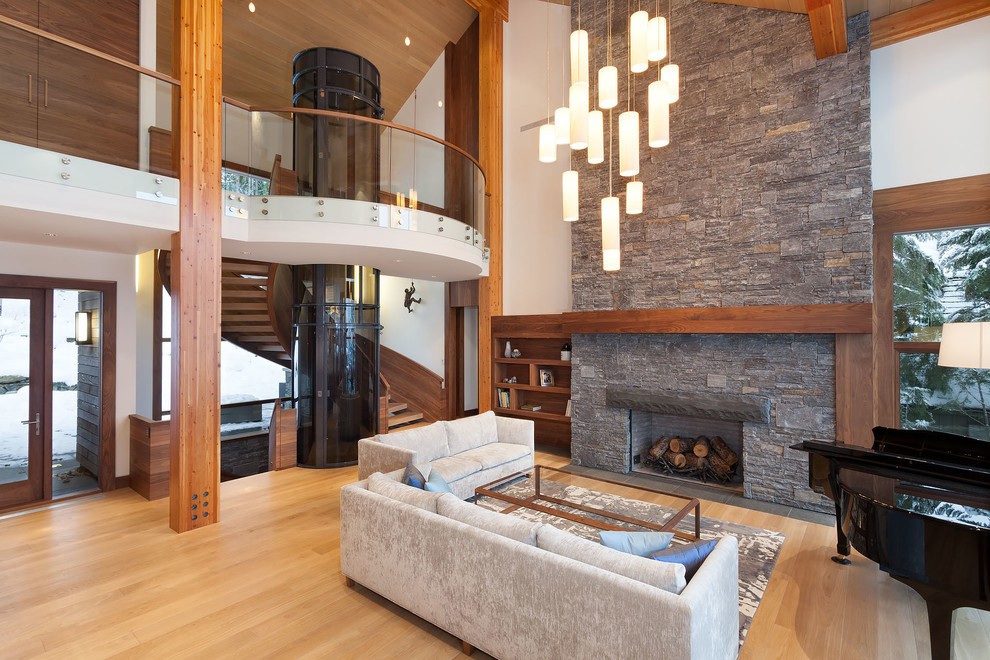
As more Ghanaian families choose to help elderly parents and relatives age comfortably at home, the demand for residential elevators is growing. Climbing stairs can become difficult due to age-related mobility challenges, arthritis, injuries, or other health conditions. Installing an elderly-accessible elevator can make daily life safer, easier, and more independent.
If you are considering a home elevator for an elderly family member, you may be wondering what the installation process involves. How long does it take? Will major construction be required? How much space is needed?
In this guide, we'll explain what to expect when installing an elderly-accessible elevator in Ghana.
Why Install an Elevator for Elderly Family Members?
For many seniors, stairs become one of the biggest obstacles in the home. A simple trip between floors can increase the risk of falls, fatigue, and injury.
A residential elevator helps by:
- Reducing the risk of stair-related accidents
- Supporting independent living
- Improving accessibility for wheelchair users
- Making it easier to transport groceries and household items
- Increasing comfort and convenience
- Allowing seniors to remain in their homes longer
For families planning for long-term care, a home elevator is often a practical investment in safety and quality of life.
Step 1: Home Assessment and Consultation
The installation process begins with a professional site assessment.
During this visit, elevator specialists evaluate:
- The available space in your home
- The number of floors the elevator will serve
- Structural considerations
- Electrical requirements
- Accessibility needs of the user
The goal is to determine the best elevator model and installation location while minimizing disruption to the home.
Many homeowners are surprised to learn that modern vacuum elevators require significantly less space than traditional lifts.
Step 2: Choosing the Right Elevator Model
Not all home elevators are designed the same way.
When selecting an elevator for elderly users, consider:
Accessibility
The cabin should comfortably accommodate users with mobility aids such as walkers, wheelchairs, or caregivers assisting passengers.
Safety Features
Look for:
- Emergency descent systems
- Automatic safety brakes
- Door safety sensors
- Emergency alarms
- Backup power systems
- Non-slip flooring
Ease of Use
Simple controls, clear buttons, and smooth operation make daily use easier for elderly passengers.
Noise Levels
Quiet operation contributes to a more comfortable home environment.
Step 3: Preparing the Installation Area
One advantage of modern vacuum elevators is that they typically require minimal structural modifications.
Unlike traditional elevators, vacuum lifts often do not require:
- Deep pits
- Machine rooms
- Large shafts
- Extensive construction work
The installation area is prepared by:
- Confirming floor alignment
- Verifying electrical connections
- Ensuring sufficient clearance
- Preparing the designated installation location
This stage is generally quicker and less disruptive than many homeowners expect.
Step 4: Elevator Installation
Once preparations are complete, installation begins.
The elevator structure is assembled section by section and secured according to manufacturer specifications.
Professional technicians will:
- Install the elevator cylinder
- Fit cabin components
- Connect electrical systems
- Configure safety mechanisms
- Test operational controls
Because vacuum elevators have modular designs, installation is often faster than traditional residential lift systems.
Step 5: Safety Testing and Inspection
Before the elevator is handed over to the homeowner, comprehensive testing is performed.
Technicians verify:
- Door operation
- Emergency systems
- Cabin communication systems
- Automatic descent functionality
- Power backup features
- Travel performance
- Safety sensors
Every safety feature must function correctly before the lift is approved for use.
This testing phase is especially important when the elevator will be used by elderly individuals.
Step 6: User Training and Handover
After installation, users receive guidance on operating the elevator safely.
This includes:
- How to call the elevator
- How to select floors
- Emergency procedures
- Basic maintenance recommendations
- Safe usage practices
Family members and caregivers should also participate in this training to ensure confidence and preparedness.
How Long Does Installation Take?
The timeline depends on the elevator type, home layout, and project requirements.
However, modern vacuum elevators can often be installed much faster than traditional residential elevators because they require fewer structural modifications.
A site assessment will provide a more accurate installation schedule based on your specific property.
Will Installation Damage My Home?
This is one of the most common concerns among Ghanaian homeowners.
The good news is that many modern residential elevators are designed to minimize construction work.
Vacuum elevators, in particular, require less invasive installation compared to conventional elevator systems. This means less disruption to your home and a cleaner installation process.
What Safety Features Should Elderly Families Prioritize?
When selecting a home elevator, focus on features that directly improve passenger safety.
Important features include:
- Automatic emergency descent
- Door safety interlocks
- Backup battery systems
- Emergency alarm systems
- Interior ventilation
- Smooth start-and-stop technology
- Spacious cabin design
- Non-slip flooring
These features help ensure safe operation during both normal use and unexpected situations.
Is a Home Elevator Worth the Investment?
For many families, the answer is yes.
An elderly-accessible elevator provides more than convenience. It helps reduce fall risks, promotes independence, and supports aging in place.
Rather than relocating to a single-story home or assisted living facility, many seniors can continue enjoying the comfort of their familiar surroundings.
The result is greater safety, improved mobility, and enhanced quality of life.
Final Thoughts
Installing an elderly-accessible elevator in Ghana is becoming an increasingly popular solution for families who want to create safer and more accessible homes.
From the initial consultation to final testing, the process is typically straightforward when handled by experienced professionals. Modern elevator technologies, particularly vacuum elevators, offer efficient installation, advanced safety features, and reliable daily performance.
If you are planning for the future mobility needs of a loved one, investing in a home elevator can provide peace of mind, independence, and long-term comfort for years to come.