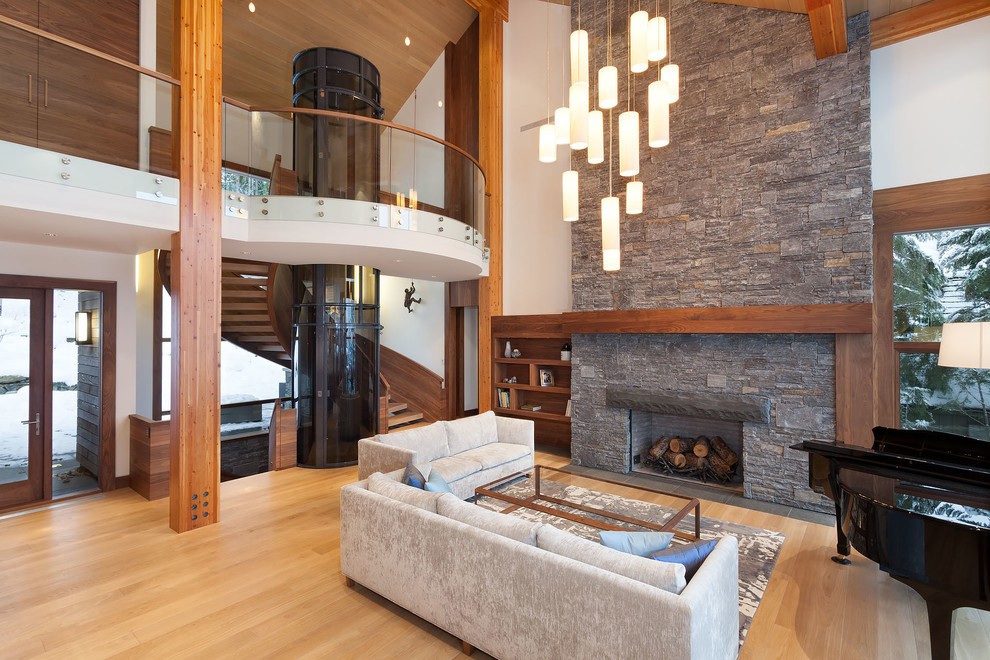
As Ghana's cities continue to grow and more families choose multi-storey homes, accessibility is becoming an important consideration for elderly family members. While stairs may not seem like a problem today, they can gradually become a daily challenge for ageing parents and grandparents.
Mobility issues, arthritis, joint pain, and balance concerns can make moving between floors difficult and increase the risk of falls. That's why many Ghanaian families are exploring home elevators as a long-term solution for safety and independence.
Before installing a residential elevator, however, the most important step is booking a professional home assessment.
A home assessment helps determine the best accessibility solution for your elderly relative while ensuring the installation meets both current and future needs.
Why Consider a Home Assessment?
Every home and every family situation is unique.
An elderly parent living in a two-storey home in Accra may have different accessibility needs from a grandparent living in Kumasi or Takoradi. A professional home assessment evaluates these individual circumstances and helps identify the most practical solution.
Rather than making assumptions, specialists assess the property and recommend options that fit the home's layout, the user's mobility needs, and long-term accessibility goals.
Understanding Your Loved One's Mobility Needs
One of the key benefits of a home assessment is that it focuses on the person who will use the elevator.
During the evaluation, specialists consider:
- Current mobility challenges
- Use of walking aids or wheelchairs
- Difficulty climbing stairs
- Future accessibility requirements
- Caregiver support needs
Planning ahead is important because mobility needs often change over time. A solution that works today should continue supporting your loved one for years to come.
Identifying the Best Location for an Elevator
Many homeowners assume an elevator requires major renovations or a large amount of space.
Modern residential elevators are far more flexible than many people realise.
During a home assessment, professionals identify suitable installation locations based on:
- Available floor space
- Home layout
- Structural requirements
- Accessibility convenience
- Aesthetic considerations
In many cases, elevators can be installed with minimal disruption to the existing structure.
Improving Safety at Home
Falls are one of the most common causes of injuries among older adults.
A home assessment helps identify areas where accessibility improvements can enhance safety and reduce risks.
When recommending an elevator solution, specialists often evaluate important safety features such as:
- Emergency descent systems
- Backup battery support
- Door safety locks
- Emergency communication systems
- Non-slip cabin flooring
- Easy-to-reach control panels
These features provide peace of mind for both elderly users and their families.
Planning for Ageing in Place
Many Ghanaian families prefer to help ageing relatives remain in their own homes rather than relocate to unfamiliar environments.
This approach, often called "ageing in place," allows seniors to maintain independence while staying close to family, friends, and their community.
A home assessment helps determine how an elevator can support this goal by ensuring every floor of the home remains accessible and safe.
Understanding Installation Requirements
One of the most common concerns homeowners have is understanding what the installation process involves.
During the assessment, specialists explain:
- Space requirements
- Elevator options available
- Estimated installation timelines
- Electrical requirements
- Maintenance expectations
This allows homeowners to make informed decisions before committing to a project.
Why Early Planning Matters
Many families wait until mobility issues become severe before exploring accessibility solutions.
However, planning ahead offers several advantages:
- More installation options
- Better budgeting opportunities
- Reduced stress during decision-making
- Improved long-term accessibility
- Greater confidence for elderly family members
By taking action early, families can create a safer living environment before mobility challenges become urgent.
Frequently Asked Questions
Who should book a home assessment?
Anyone considering a home elevator for an elderly parent, grandparent, or family member can benefit from a professional assessment.
Is a home assessment only necessary for people with mobility issues?
No. Many homeowners schedule assessments as part of future accessibility planning before mobility challenges arise.
Can a home elevator be installed in an existing home?
Yes. Many modern residential elevators are designed specifically for retrofitting into existing properties.
Will the assessment help determine the right elevator size?
Absolutely. The evaluation considers both available space and the user's accessibility requirements.
Is a home assessment expensive?
The value of a professional assessment often outweighs the cost by helping homeowners avoid unsuitable solutions and costly modifications later.
The Long-Term Benefits
Booking a home assessment is about more than installing an elevator. It is about creating a safer, more comfortable future for a loved one.
Benefits can include:
- Reduced risk of falls
- Improved independence
- Greater accessibility
- Enhanced quality of life
- Long-term peace of mind for family members
For many families, the assessment becomes the first step in building a home that continues to support ageing relatives with dignity and comfort.
Final Thoughts
If you have an elderly parent or grandparent living in a multi-storey home, now is the ideal time to think about long-term accessibility.
A professional home assessment helps identify the best solutions for improving mobility, safety, and independence while ensuring the home remains comfortable and functional for years to come.
By booking a home assessment for your elderly relative in Ghana, you're not simply planning for an elevator installation—you're investing in their wellbeing, confidence, and ability to enjoy their home safely every day.