Across Ghana, multi-storey homes have become increasingly popular. From modern duplexes in East Legon and Cantonments to family homes in Tema, Kumasi, and Takoradi, many homeowners prefer houses that offer more space and privacy.
While these homes are ideal for growing families, they can present a significant challenge as homeowners age.
For many elderly people, climbing stairs several times a day becomes increasingly difficult. What was once a simple daily activity can gradually turn into a source of discomfort, fatigue, and even safety concerns.
As Ghana's population ages and more families embrace long-term homeownership, accessibility is becoming an important topic in residential design.
Why Mobility Changes With Age
Aging affects everyone differently, but certain physical changes are common.
Many elderly individuals experience:
- Arthritis and joint pain
- Reduced muscle strength
- Decreased balance and coordination
- Slower movement
- Increased fatigue
These changes can make navigating stairs difficult, particularly in homes with two or more floors.
For seniors who have lived in the same home for many years, the challenge is often not the house itself but the physical effort required to move between levels.
The Reality of Multi-Storey Living in Ghana
In many Ghanaian homes, key living spaces are spread across different floors.
For example:
- Bedrooms are often located upstairs
- Living areas may be downstairs
- Family gathering spaces can be on multiple levels
This means elderly residents may need to use stairs several times daily.
Over time, some seniors begin to:
- Avoid certain parts of the home
- Limit their movement
- Depend on family members for assistance
When mobility becomes restricted, the home can start feeling less comfortable and less accessible.
Stairs Can Increase Safety Risks
One of the greatest concerns for elderly residents is the risk of falling.
Staircases can become dangerous due to:
- Poor balance
- Weak knees or joints
- Reduced vision
- Fatigue
- Slippery surfaces
A fall on a staircase can lead to:
- Serious injuries
- Extended recovery periods
- Reduced confidence
- Loss of independence
For many families, preventing falls becomes a major priority when caring for aging parents or grandparents.
The Emotional Impact of Limited Mobility
Mobility challenges affect more than physical health.
When elderly individuals struggle to access different parts of their homes, it can also affect:
- Confidence
- Independence
- Social interaction
- Emotional well-being
Many seniors value being able to care for themselves and move around freely.
When this freedom is reduced, feelings of frustration and dependency can arise.
A home that once provided comfort may begin to feel restrictive.
Aging in Place Is Becoming More Important
Many elderly Ghanaians prefer to remain in their own homes rather than relocate.
This concept is known as aging in place.
Aging in place allows seniors to:
- Stay close to family
- Remain in familiar surroundings
- Maintain daily routines
- Preserve emotional comfort
However, aging in place requires homes to remain accessible as mobility needs change.
Without proper accessibility solutions, seniors may eventually struggle to use their homes comfortably.
Multi-Generational Living Creates New Accessibility Needs
Family living remains an important part of Ghanaian culture.
Many households include:
- Grandparents
- Parents
- Children
In multi-generational homes, accessibility becomes essential for ensuring every family member can participate fully in daily life.
When elderly relatives find it difficult to move between floors, they may unintentionally become isolated from household activities.
Creating accessible living environments helps families remain connected while supporting the independence of older family members.
Why More Homeowners Are Planning Ahead
Today, many homeowners are thinking beyond their current needs.
Instead of waiting until mobility becomes a problem, they are considering how their homes will serve them in the future.
Future-proofing a home offers several advantages:
- Improved long-term comfort
- Greater safety
- Enhanced accessibility
- Better quality of life
- Increased property appeal
As awareness grows, accessibility is becoming a key consideration in modern home design across Ghana.
Modern Solutions for Mobility Challenges
Fortunately, there are practical solutions available for homeowners looking to improve accessibility.
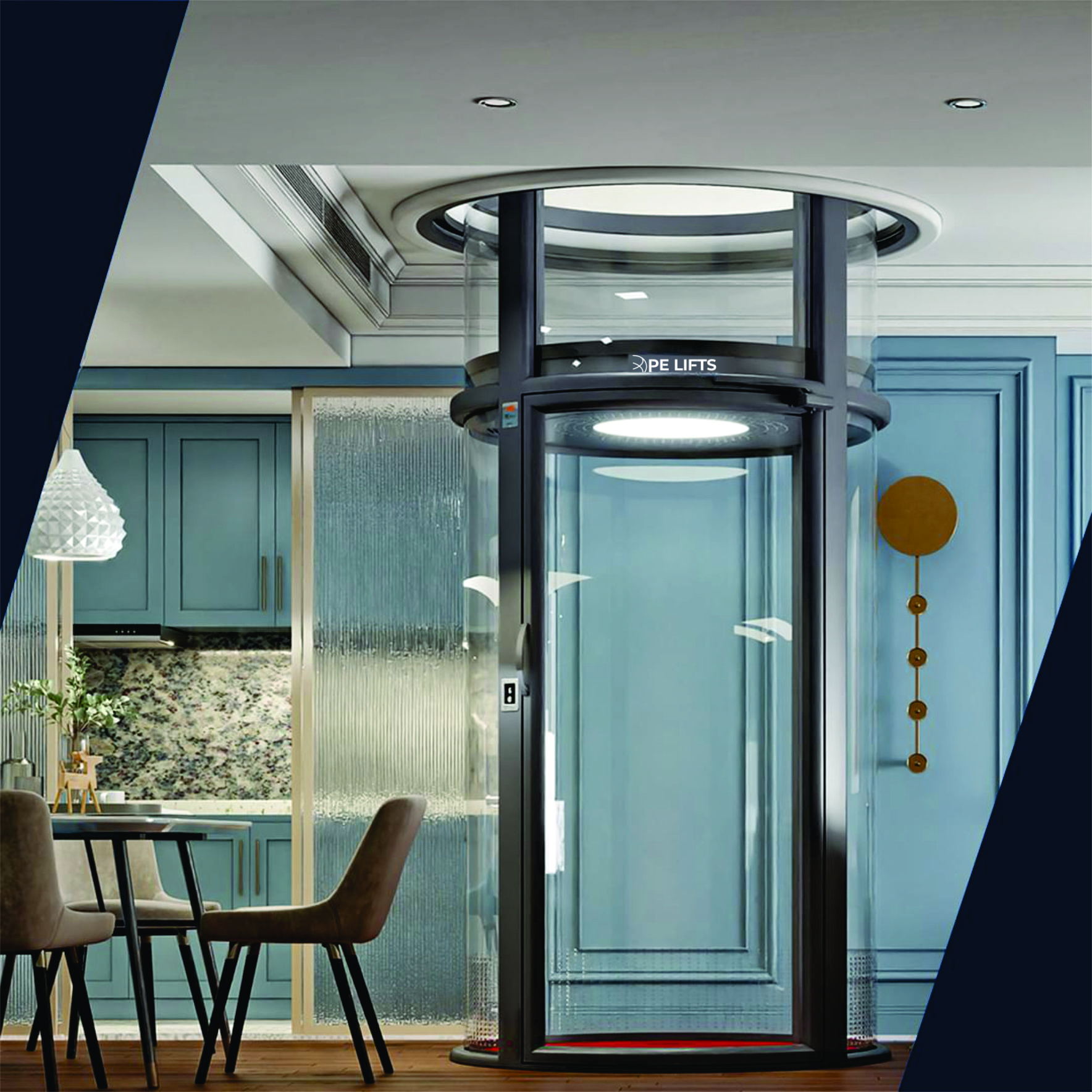
Modern residential elevators, particularly vacuum elevators, are becoming increasingly popular because they provide:
- Easy access between floors
- Greater independence
- Improved safety
- Minimal disruption to existing homes
Unlike traditional elevators, vacuum elevators require minimal structural modifications and can often be installed without extensive renovation work.
This makes them an attractive solution for existing duplex homes.
Accessibility Is About Dignity
At its core, accessibility is not simply about convenience.
It is about allowing people to:
- Maintain independence
- Continue daily routines
- Feel confident in their own homes
- Enjoy a better quality of life
For elderly individuals, the ability to move freely throughout their home can have a profound impact on both physical and emotional well-being.
Accessibility helps ensure that growing older does not mean giving up the comfort and freedom that home should provide.
Frequently Asked Questions
Why do elderly people struggle with stairs?
Age-related changes such as arthritis, reduced strength, and balance issues can make climbing stairs difficult and tiring.
Are multi-storey homes suitable for seniors?
Yes, provided that accessibility measures are available to help seniors move safely between floors.
What are the risks of stairs for older adults?
Falls, injuries, reduced mobility, and loss of confidence are among the most common concerns.
What does aging in place mean?
Aging in place refers to living safely and comfortably in one's own home as mobility and lifestyle needs change over time.
How can homeowners prepare for future accessibility needs?
By incorporating accessibility solutions that improve safety and mobility before they become necessary.
Final Thoughts
The mobility challenge facing elderly people in Ghana's multi-storey homes is becoming increasingly important as families plan for long-term living.
While stairs can create barriers to independence and comfort, modern accessibility solutions can help homeowners adapt their homes to changing needs.
By planning ahead, families can create safer, more inclusive living environments that support dignity, independence, and quality of life for years to come.